Let’s suppose the systems of your company crashed overnight due to a ransomware attack. The employees are unable to access data, and the operations are brought to a grinding halt. Thousands of dollars in revenue are lost every minute. And your brand image? Hanging by a thread. This is why you need disaster recovery solutions!
- The average global breach cost crossed $4.80 million in 2024.
- It has been a significant increase of over 4.45 million since 2023.
- This marks the biggest jump since the COVID-19 pandemic.
Be it a power failure, ransomware attack, or natural disaster, having a robust disaster recovery plan in place is a business necessity. It helps enterprises safeguard critical assets and restore operations quickly. Learn more about incident response and disaster recovery!
What Is Disaster Recovery?
Disaster Recovery (DR) is a strategic process of restoring IT systems, data, and business operations following unexpected interruptions. The interruption can be anything from a cyberattack and hardware failure to a natural disaster or human error.
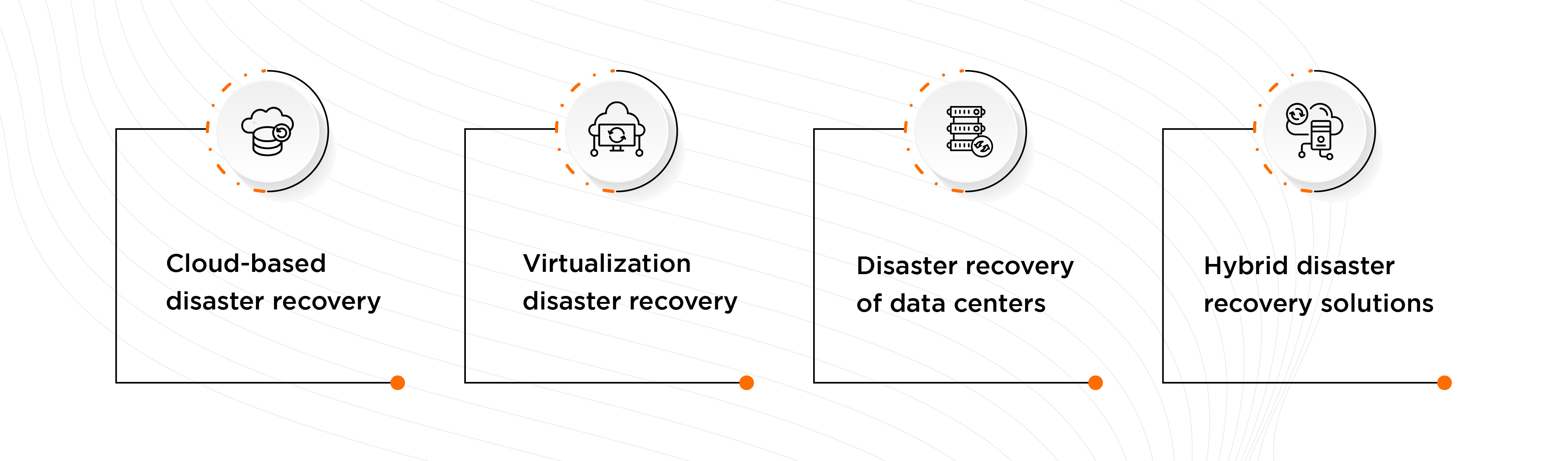
Disaster recovery solutions are of different types:
- Cloud-based disaster recovery
- Virtualization disaster recovery
- Disaster recovery of data centers
- Hybrid disaster recovery solutions
Why Does Disaster Recovery Matter?
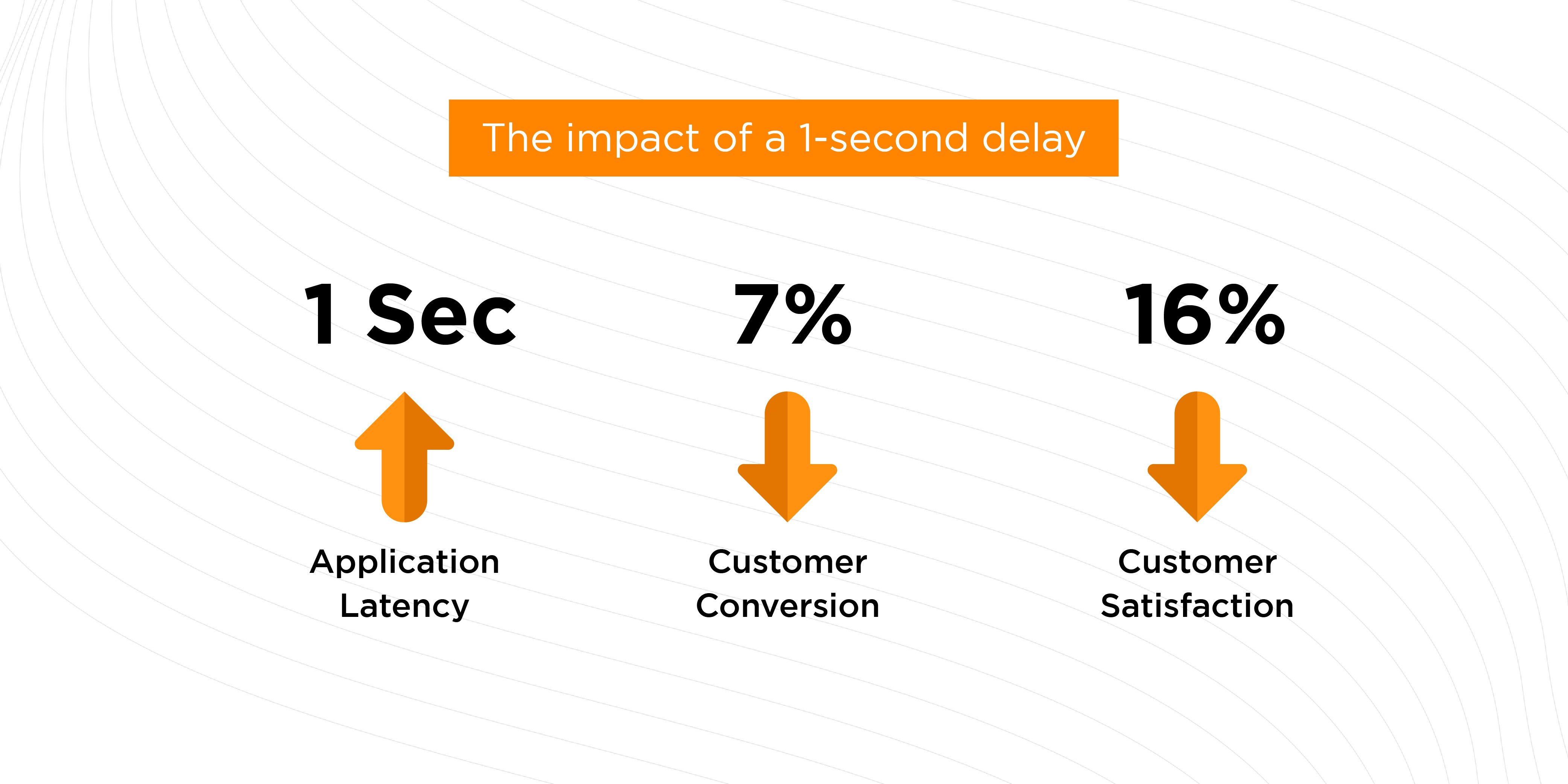
Whenever there is a disaster, time is your most valuable asset. Quick recovery capability can mean the difference between success and failure of a business. This is why disaster recovery business services are not only a technical decision but also a strategic one.
Consider disaster recovery services and cybersecurity solutions as your business continuity insurance, a holistic way to recover fast while reducing downtime. A proper DR plan does not just recover the systems but also confidence in your business. It is about making sure that your business can be brought back to its feet within a short time.
Here are the top reasons why every business or organization needs reliable disaster recovery solutions:
Securing Revenue and Shooting Down Time
Downtime is expensive. However, an effective disaster recovery strategy will help to have systems restored within the shortest possible time period. As a result, organizations can continue with important business processes, such as customer portals, payment systems, and cloud applications, without interruption.
Protecting Customer Confidence
Loyalty is a blow to your customers when they can’t access your services or products. Again, proper incident response and disaster recovery would ensure that the brand name is not damaged. It is a reliable solution even in case of an outage.
Fulfilling Regulatory and Compliance Requirements
From SOC 2 and GDPR to HIPAA, the consequences of noncompliance with these standards can include heavy fines as well as the loss of customer and stakeholder confidence. Therefore, regulations across various industries like finance and healthcare demand advanced disaster recovery services to maintain business continuity.
Preventing Data Loss
Any organization is flooded with data. In the absence of adequate recovery procedures, years of precious information can just be lost within a few seconds. Through dependable disaster recovery solutions in the USA, business organizations can automate data replication and recovery across various environments.
Empowering Agility and Innovation
Integrating AI-based disaster recovery and automation enables businesses to be able to innovate more quickly without the fear of downtime. It is not only about how to get through a disaster but also about succeeding after that.
Get a Quote Today—Protect your business with reliable disaster recovery solutions.
How to Ensure Disaster Recovery? 5 Key Steps to Follow
To design a successful disaster recovery plan, you need to go beyond data backup. It is a comprehensive method of planning, testing, and building trusted relationships with the right disaster recovery company. Here’s how to simplify disaster recovery for your company:
Step 1: Conduct Business Impact Analysis (BIA)
First, you should be aware of what you are going to risk before you plan. A BIA helps to define the most important processes and approximate the likely effects of downtime. Answering the following questions will aid in prioritizing resources and ensuring that your DR plan and business needs match each other:
- What systems do you need in your daily business operations?
- What is the maximum allowed downtime (RTO)?
- What is the maximum amount of data your company can lose (RPO)?
Step 2: Create a Tailored Disaster Recovery Plan
After evaluating some of the risks, it is time to create your incident response and disaster recovery plan. You need to integrate your plan with your incident response strategy so that during an emergency, there will be smooth coordination between security, IT, and management teams. An effective DR plan should include:
- Clearly documented procedures for recovery.
- Stakeholders’ communication hierarchies.
- Data replication and backup solutions.
- Cloud recovery and vendor recovery.
- Security and compliance.
Step 3: Implement Redundancy Systems and Backups
Modern DR solutions go beyond simple backups. Companies now use cloud-based disaster recovery services with multi-region replication for enhanced resilience. Follow these practices:
- Real-time data reflection in different geographical regions.
- Failover systems to reroute operations automatically.
- Encryption of data on transit and storage to ensure compliance.
Step 4: Test and Continuously Improve
Disaster recovery testing solutions should also be implemented on a regular basis to check whether your strategy is viable under real-world conditions. Simulate scenarios such as:
- Hacks (ransomware, DDoS)
- Power failures
- Cloud outages
- Human errors
Step 5: Select a Reliable Disaster Recovery Partner
Technology is not enough when there is a disaster. You are also supposed to have enough expertise and experience. This is why it is essential to partner with a reliable disaster recovery consultant in the USA. They can help you create a solid DR plan backed by:
- 24/7 monitoring and response
- Cloud and hybrid architecture experience
- Compliance competence (HIPAA, ISO 27001, SOC 2)
- Automated backup and restoring software
In Conclusion
Disasters are inevitable, but losing your business to one doesn’t have to be. By having appropriate disaster recovery services in place, you will be able to protect your data, reduce downtime, and maintain customer trust even in challenging times. Remember, recovery is not only about restoring systems but also about business continuity, whatever the circumstances may be.
With SecureSmartz, you can rest assured that your business is prepared to deal with any unexpected breakdown. Our experts bring years of experience in incident response and disaster recovery while providing customized disaster recovery solutions in the USA. Let’s keep your business running, no matter what comes your way.